“first Century” search results (4000)

Do you know the origin of coffee?
Around the sixth century AD, legend has it that Kaldi, a shepherd on the Ethiopian highlands of Africa, discovered on many occasions that his flock would involuntarily get excited and even make a crazy noise every time they ate the fruit of a wild shrub.
2014-06-12 Coffee culture coffee origins coffee encyclopedia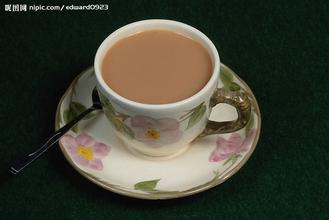
Introduction to the varieties and types of coffee beans the difference between individual coffee and boutique coffee
The origin of this plant can be traced back to millions of years ago, in fact, the real age when it was discovered can no longer be tested. It is only said that coffee is a shepherd named Kaldi in the highlands of Ethiopia. When he discovered that his sheep had inadvertently eaten the fruit of a plant, he became very lively and full of vitality, and then he discovered coffee. All historians seem to be
2016-07-05 Coffee beans varieties types introductions individual products coffee boutique differences in other words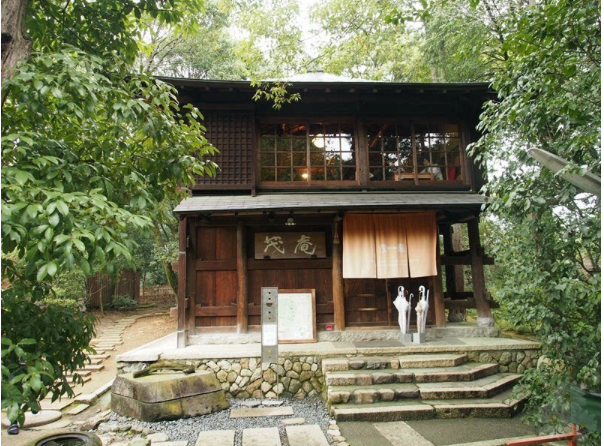
There is a century-old Japanese coffee and tea culture in Maoan teahouse, Kyoto.
Kyoto Maoan teahouse Maoan, hidden on the top of Yoshida Mountain in Kyoto, all the stone steps are covered with moss, people are rare, almost think that they have lost their way. Maoan is a teahouse founded in the Taisho era. It has a history of a hundred years. Although it is hidden in a dense jungle, it is quite famous in Kyoto. There is a waiting room on the first floor and a teahouse on the second floor with three latticed windows with a mountain view. Coffee and refreshments are just ordinary, just
2016-07-13 History Kyoto Maoan teahouse Japan coffee tea culture tea
Common sense of coffee roaster used in coffee shop
Coffee shop bean dryers, retail bean dryers, and small bean dryers are all medium to small bean dryers, which are often used in coffee shops during wartime. Before the early 20th century, most of their coffee beans were made by bean roasters in such cafes, as long as they were not baked at home, but by the early 1950s, large baking plants and pre-ground
2015-04-14 Coffee shop roasting machine coffee roaster common sense coffee shop baking bean machine
Real mellow thickness of Ugandan coffee flavor taste manor characteristics of boutique coffee beans
There was an emirate called Kitala in present-day western Uganda before the 13th century AD. In the 13th and 14th century, the nomadic Bachwezi conquered the country. From the end of the 15th century to the beginning of the 16th century, the Luo people who originally lived in southern Sudan went south to replace the rule of the Bachwezi, established the kingdom of Buniolo and established the Babito dynasty in Buganda. These foreign rulers were soon engaged in local farming.
2016-09-02 Thickness Uganda coffee flavor taste manor producing area characteristics boutique
History of coffee tree cultivation Importance of bean grinder
In fact, Arabs began growing coffee in 525 BC, and chewing roasted coffee beans became popular in Arabia. In 890 AD, Arab merchants sold coffee beans to Yemen, and Yemen made coffee beans into a beverage for the first time. In the 15th century, coffee was introduced into Europe, Asia, and soon into America. By the 18th century, the tropics and subtropics of the globe were widespread.
2016-06-07 coffee cultivation history grinder importance actually 525 BC
The spread of basic knowledge of Fine Coffee
1. Coffee was introduced into Europe in the 16th century, and coffee attracted the attention of European countries in the name of Arabic wine. In the middle of the 17th century, coffee became popular in Europe. 2. When coffee was introduced into Asia in 1600, Baba Budan, a Muslim, successfully smuggled seven seeds on his belly and planted them for trial in the mountains of Mysore in southern India without large-scale cultivation. sixteen
2015-04-23 Boutique coffee basics common sense dissemination introduction Europe 16th century A
Introduction of boutique coffee brand culture Nestl é Coffee Company
Nestle, headquartered in Nestle Group in Switzerland, is the largest food company in the world and has a long history in China. For a century, Chinese consumers have known and trusted the Nestle brand because Nestl é opened its first sales office in China in Shanghai as early as 1908 in the last century. Nestl é was one of the first foreign businessmen to enter China.
2015-12-08 Boutique Coffee Brand Culture Nestl é Company introduction headquarters
Introduction to the History of Coffee Tree species History of Botany
In fact, the Arabs began to grow coffee in 525 BC, and chewing fried coffee beans became popular in the Arab region. In 890 AD, Arab merchants sold coffee beans to Yemen, and Yemenis made coffee beans into drinks for the first time. In the 15th century, coffee was introduced into Europe, Asia and soon into America. By the 18th century, species were widely distributed in tropical and subtropical regions of the world.
2016-06-12 Coffee species history introduction plants study history in fact 525 BC
The spread of Coffee the basic knowledge of Coffee
1. Coffee was introduced into Europe in the 16th century, and coffee attracted the attention of European countries in the name of Arabic wine. In the middle of the 17th century, coffee became popular in Europe. 2. When coffee was introduced into Asia in 1600, Baba Budan, a Muslim, successfully smuggled seven seeds on his belly and planted them for trial in the mountains of Mysore in southern India without large-scale cultivation. sixteen
2015-01-29 Coffee communication boutique basics coffee introduction Europe 16th century Allah
The flavor and taste of Ugandan coffee with extremely light aroma introduction to the characteristics of boutique coffee in manor area
There was an emirate called Kitala in present-day western Uganda before the 13th century AD. In the 13th and 14th century, the nomadic Bachwezi conquered the country. From the end of the 15th century to the beginning of the 16th century, the Luo people who originally lived in southern Sudan went south to replace the rule of the Bachwezi, established the kingdom of Buniolo and established the Babito dynasty in Buganda. These foreign rulers were soon engaged in agriculture locally.
2016-08-23 Aroma extremely light Uganda coffee flavor taste manor producing area characteristics
The smell of coffee in Paris, France in the 17th century
I've been going to many cafes in recent years, and I'm getting bored. I often daydream about the old cafes, the old beauties that can only be read in books but cannot be experienced in person. For example, when it comes to cafes in Paris today, people's first impression is the relaxed and enjoyable atmosphere of relaxed seats in the shade of trees or in the Arbor. But in the past, Parisians drank coffee, which was not like this at all. Straight
2014-05-21 Coffee aroma in Paris France
The spread of coffee when coffee was introduced into China?
1. Coffee was introduced into Europe in the 16th century, and coffee attracted the attention of European countries in the name of Arabic wine. In the middle of the 17th century, coffee became popular in Europe. 2. When coffee was introduced into Asia in 1600, Baba Budan, a Muslim, successfully smuggled seven seeds on his belly and planted them for trial in the mountains of Mysore in southern India without large-scale cultivation. sixteen
2015-10-19 Coffee spread introduction China time Europe 16th Century A
Introduction to the making method of coffee, one of the three major drinks in the world
The cultivation and production of coffee in the 17th century has always been monopolized by Arabs. At that time, it was mainly used in medicine and religion, and doctors and monks admitted that coffee had the effects of refreshing, awakening, strengthening the stomach, strengthening the body and stopping bleeding. The use of coffee was documented at the beginning of the 15th century and was integrated into religious ceremonies during this period. At the same time, it also appeared in the folk as a daily drink. Because of Islam
2016-06-29 World three Beverage one Coffee making way introduction 17th Century
What are the main nutrients of coffee beans?
Coffee was planted in large numbers by Arabs in the 12th and 3rd centuries, and the world's first coffee shop was born in Damascus in the Middle East in the 16th century (1530). In just a few years, from the ancient Constantinople to the Caucasus, from the Persian Gulf to Budapest, and more than 200 cities throughout the empire had different numbers of coffee shops, and those cities were connected through the sand.
2016-05-27 Coffee beans main nutrition ingredients what coffee 12th 3rd century time ah
When was coffee fruit discovered to be used to make coffee beans?
The origin of this plant can be traced back to millions of years ago, in fact, the real age when it was discovered can no longer be tested. It is only said that coffee is a shepherd named Kaldi in the highlands of Ethiopia. When he discovered that his sheep had inadvertently eaten the fruit of a plant, he became very lively and full of vitality, and then he discovered coffee. All historians seem to be
2016-06-23 Coffee indeed when was discovered used made coffee beans
Basic knowledge of boutique coffee
Coffee (scientific name: Coffea arabica), also known as coffee tree, Arabica coffee, etc., is the national flower of Yemen. Before the 6th century in the park, Yemen was called Arab, so the coffee trees transported from them to other places were also called Arabian coffee trees. The name coffee comes from the Arabic Qahwah, which means plant drink. Later, the coffee spread all over the world, and it was picked.
2015-02-09 Boutique coffee basics common sense about knowledge scientific name Coffea
Coffee knowledge Fine Coffee basic knowledge
Coffee (scientific name: Coffea arabica), also known as coffee tree, Arabica coffee, etc., is the national flower of Yemen. Before the 6th century in the park, Yemen was called Arab, so the coffee trees transported from them to other places were also called Arabian coffee trees. The name coffee comes from the Arabic Qahwah, which means plant drink. Later, the coffee spread all over the world, and it was picked.
2015-03-09 Coffee knowledge boutique basics common sense
The Development History of Coffee in the World Coffee spread History
1. Coffee was introduced into Europe in the 16th century, and coffee attracted the attention of European countries in the name of Arabic wine. In the middle of the 17th century, coffee became popular in Europe. 2. When coffee was introduced into Asia in 1600, Baba Budan, a Muslim, successfully smuggled seven seeds on his belly and planted them for trial in the mountains of Mysore in southern India without large-scale cultivation. sixteen
2015-01-17 Coffee World Development History Communication History introduction Europe 16th Century
Basic knowledge of boutique coffee
Coffee (scientific name: Coffea arabica), also known as coffee tree, Arabica coffee, etc., is the national flower of Yemen. Before the 6th century in the park, Yemen was called Arab, so the coffee trees transported from them to other places were also called Arabian coffee trees. The name coffee comes from the Arabic Qahwah, which means plant drink. Later, the coffee spread all over the world, and it was picked.
2014-12-01 Boutique Coffee Basics Common sense detailed explanation knowledge Scientific name Coffea